OUR METHODOLOGY
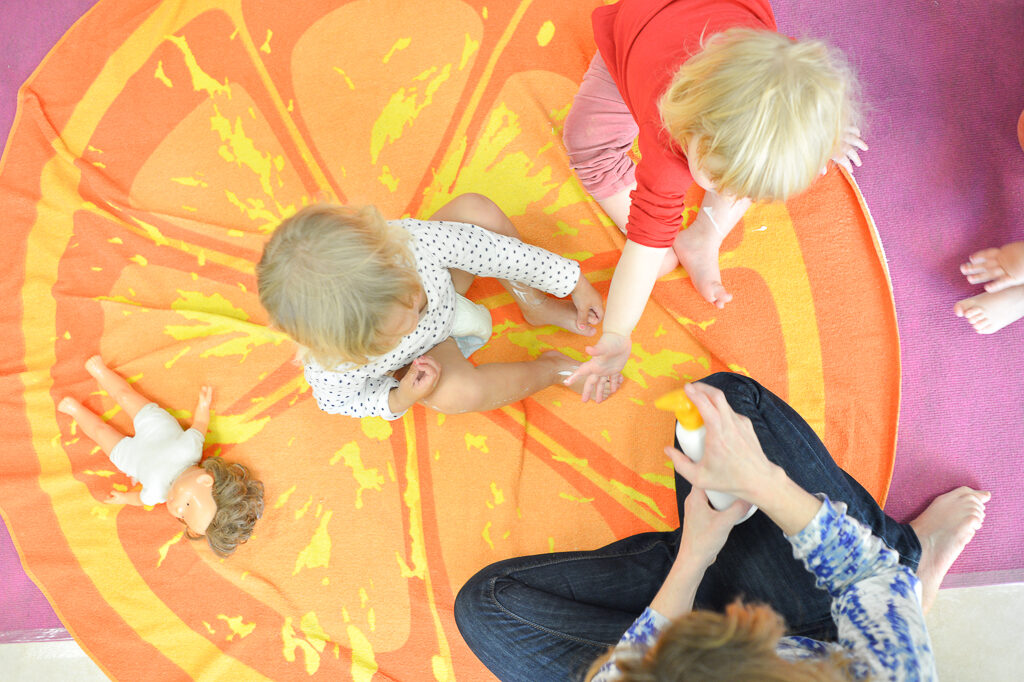
At Mafalda Nursery School, our main objective is that your children feel safe and happy; this state of well-being facilitates the learning process and results in the child having an early positive experience of the school environment. Our methodology is active, dynamic and global, and is based on action and movement. Our centre is a welcoming place for children, where the teacher guides and orientates them in an affectionate and respectful atmosphere, and where they are the protagonists in their learning process.
Based on a motivating didactic approach that starts from the interests and needs of each child, we encourage the development of creative expression and communication through observation, initiative and experimentation.
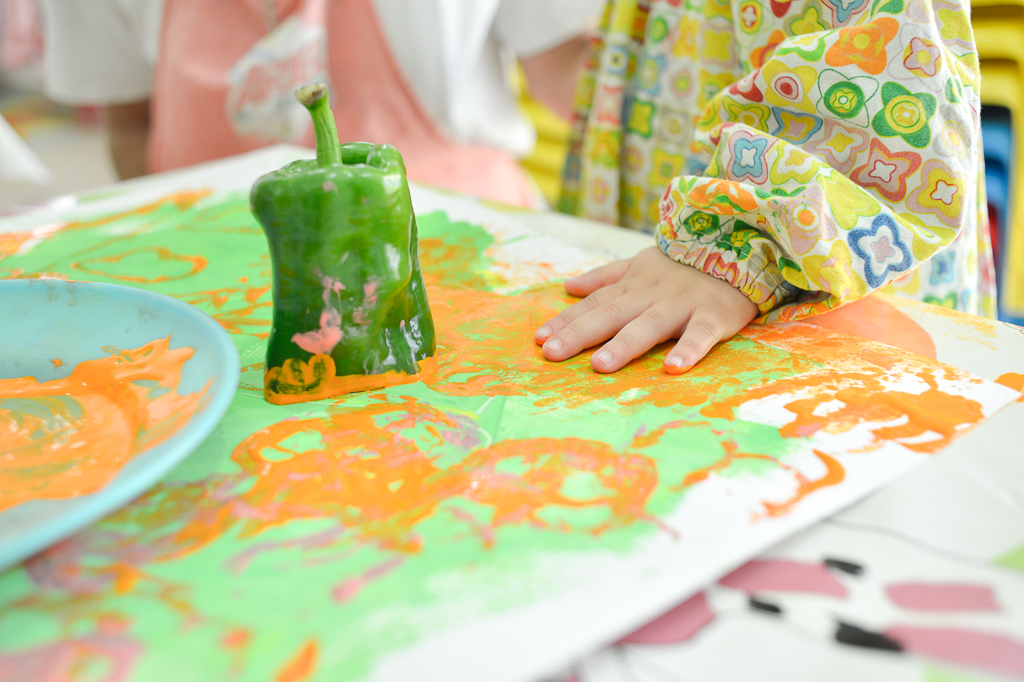
The layout of the centre’s spaces and the materials are designed for the development of daily routines, as well as the different activities and learning environments that are programmed: psychomotor stimulation, sensory exploration environments, plastic and musical expression, relationship games…
Through the different dynamics and activities of the centre we will encourage the children to:
- Feel happy and self-confident at the centre.
- Observe, explore and get to know their environment
- Acquire habits and personal autonomy
- Interpret, express and manage their emotions and feelings.
- Know and respect rules and be able to assume limits as points of reference.
- To discover their own possibilities and limitations through bodily experience.
- Interpret, express and manage their emotions and feelings.
- To develop imitation, imagination and representation through play.
- To integrate into the social group of their age group, creating spaces
- Express themselves through different languages: verbal, corporal, plastic, musical and mathematical.
Starting school and adaptation period
The start of nursery school is a big step for your child: it implies leaving the family circle where he/she occupies a defined role, where he/she relates to others based on certain codes and moves in a safe, known and protected space.
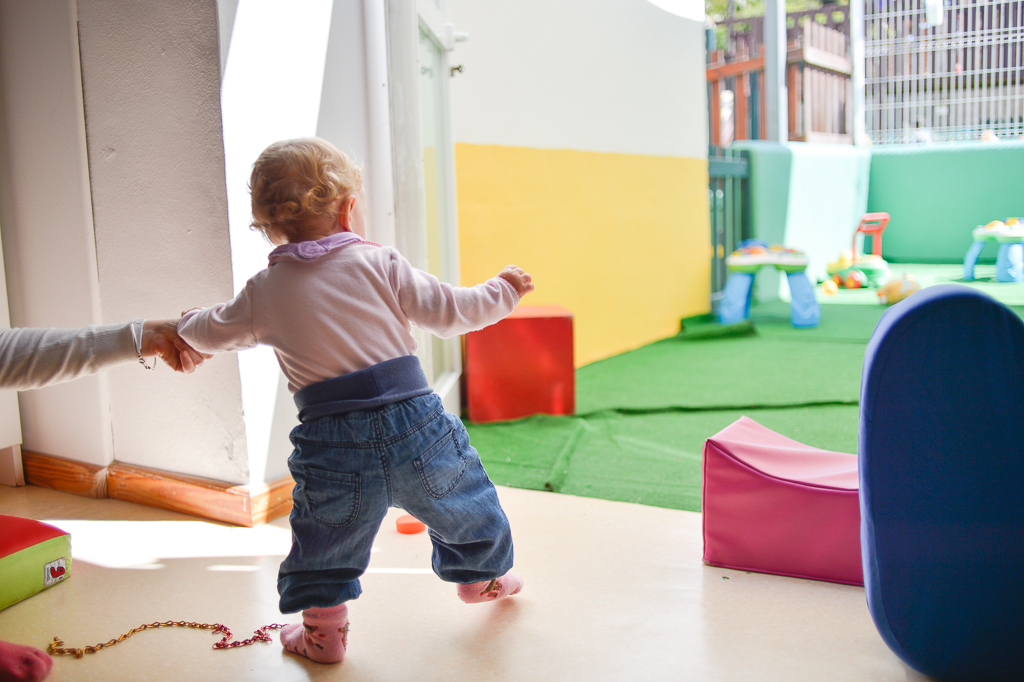
Although this change generates instability and anguish in the family and the child, little by little both will generate resources to face this conflict. Our team makes it easier for the mother or father to be at the centre accompanying their child during the first few days of contact; afterwards, in a personal and individualised way, this transition time is adjusted during which the child attends the centre to gradually adapt to the times, rhythms, routines and activities of the school.
The teacher is key to this process, in which, based on observation and active listening, she will guide you daily to articulate the times and spaces in which your child stays at school.
A task shared with you: the families
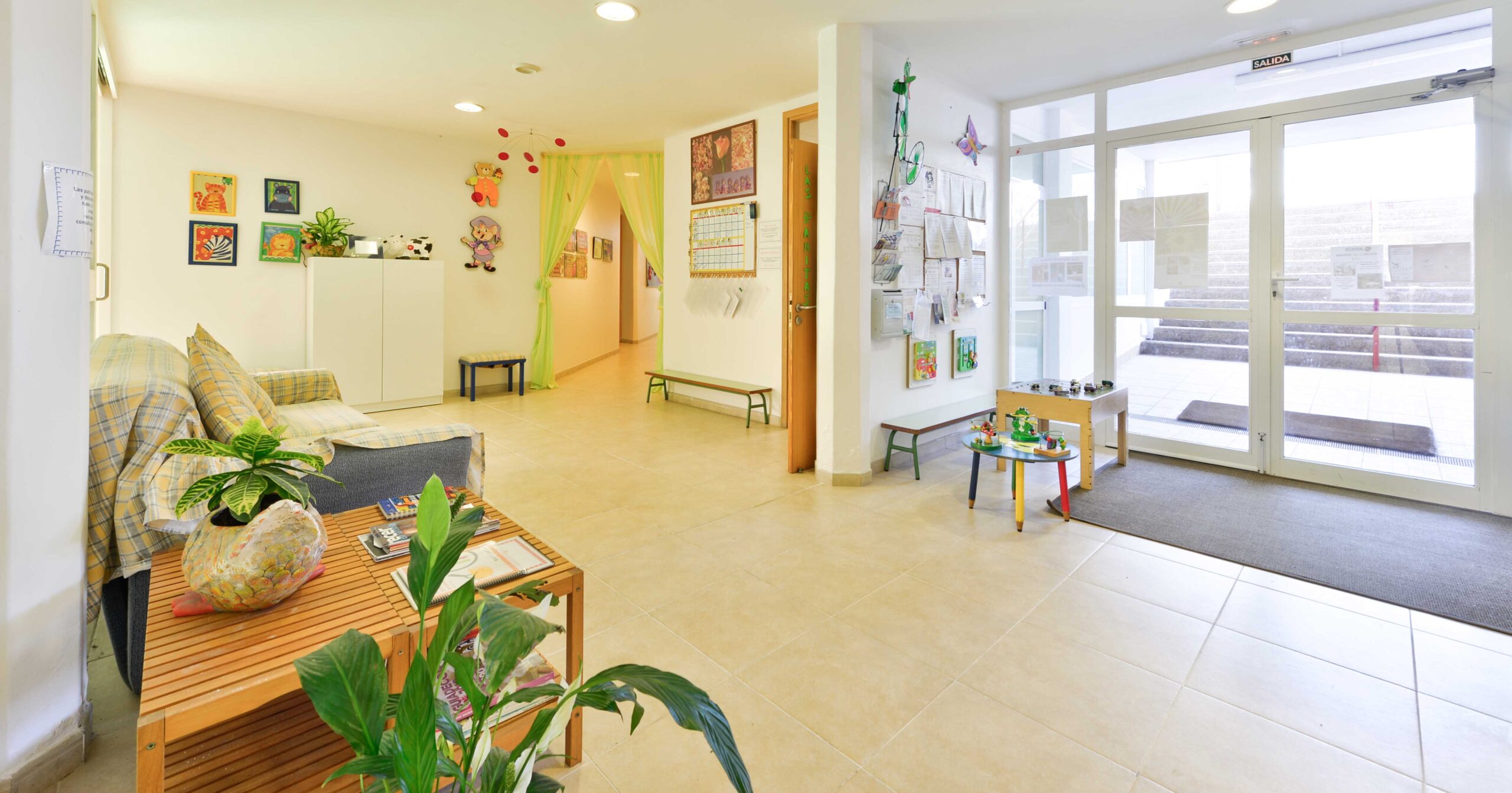
Families are the most important emotional figures at this early age and are the ones who provide their children with their first learning experiences. At our centre we offer different times and spaces for communication so that families have more information about their children’s development and participate consciously and actively in the parenting process. In addition to daily communication, the centre offers you:
- Individual tutoring: your child’s teacher will be available to help you with the day-to-day running of the centre, generally on the first Monday of each month in the afternoon and by appointment.
- Psycho-pedagogical counselling: the centre’s therapeutic team and specialists guide parents in specific sessions on general issues related to children’s development: feeding or sleeping problems, developmental crises, tantrums…. Parents can request a session by appointment.
- Family school: meetings in which parents share their life experiences in raising their children with the guidance and orientation of the centre’s specialists. In a meeting every month and a half we develop those topics that parents request at the beginning of the school year, how to remove nappies, the different educational styles and their influence on the children, the entrance to school…
- Quarterly evaluation: every three months a meeting is held with all the parents of each classroom group to share the evolution of the children in the classroom.
- Screening and early diagnosis of difficulties at an early age: any difficulty, problem or pathology will be observed, detected and analysed from a psychomotor development perspective by the teachers and the centre’s psycho-pedagogical team. If any difficulties are observed, the centre offers advice and specific intervention to families.
- EAP: the Early Intervention Programme of the Consejería de Educación (Decree 39/2011) comes to the school and collaborates with the school in order to detect children’s difficulties early, guide families, design activities, collaborate in the classroom, etc.
- The school uses the LIVEKID application for communication with families, such as a digital agenda, photo and video gallery, etc.